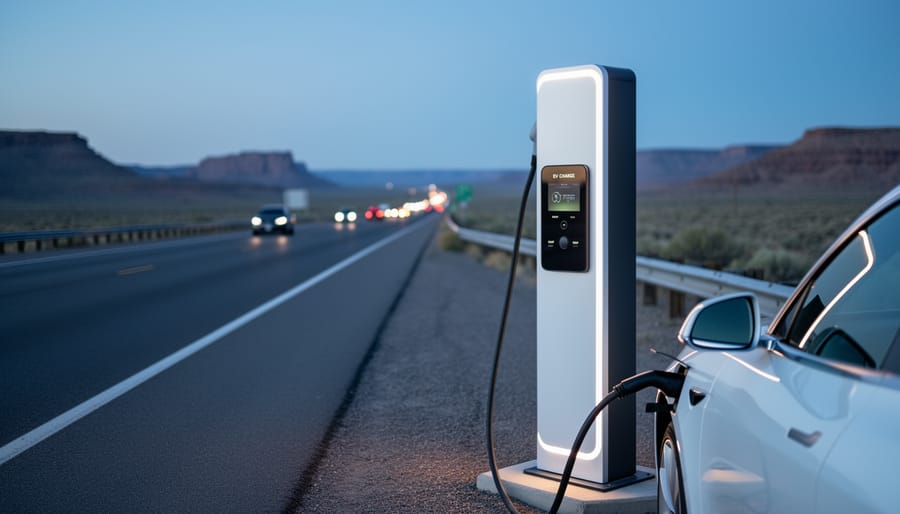
The National Electric Vehicle Infrastructure (NEVI) Program is a federal funding program that helps states build a connected network of fast EV charging stations along major highways. Congress created it through the 2021 Bipartisan Infrastructure Law and set aside $5 billion for states over five years. The goal is simple: no matter where you drive, you should never have to wonder if you’ll find a charger before your battery runs low.
Here’s how it works. The federal government hands money to each state, and each state writes a plan for where new stations should go. Those plans get reviewed, then states open the process to private businesses and local partners who want to build and run the chargers. Stations paid for with NEVI dollars must meet set standards for speed, reliability, and how many vehicles they can serve at once.
For Utah drivers, that matters on long stretches like I-15 and I-70, where services can be far apart. For property owners, it raises practical questions about local zoning, permitting, and regional incentives. This article walks through each of those, step by step, in plain language.
What the NEVI Program Does and Why It Was Created
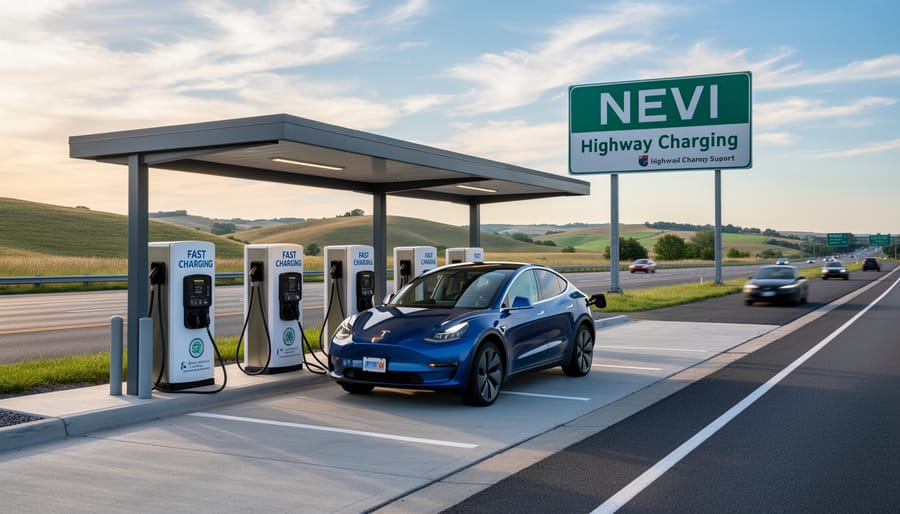
The National Electric Vehicle Infrastructure (NEVI) Program was created to solve a simple problem: many people hesitate to buy an electric vehicle because they worry about finding a charger when they need one. NEVI is a federal program that sends funding to states so they can build publicly accessible fast-charging stations, especially along the highways people use for longer trips.
Two terms come up often, so here is what they mean. A DC fast charger is a high-powered charging station that delivers direct current straight to your vehicle’s battery. It can add a meaningful amount of range in the time it takes to stop for a meal or stretch your legs, which is much quicker than a standard home outlet or a typical Level 2 charger. An alternative fuel corridor is a stretch of highway that the federal government has designated as a priority for fueling options beyond gasoline and diesel, including electric charging. Focusing on these corridors helps make sure chargers show up along the routes drivers rely on most.
The goal is to reduce what many drivers call range anxiety, the nagging worry that your battery will run low before you reach the next charger. A dependable network along major routes means an EV can be practical for road trips, not just daily commuting.
The money does not go directly to charging companies. It flows from the federal government to each state, and each state then decides how to award those funds, usually by planning where stations are most needed and inviting qualified partners to apply. That means the pace and details can look different from one state to the next. Because totals and station counts change over time, it is best to check official sources for current numbers rather than relying on a single figure.
How NEVI Funding Moves From Federal Agencies to Charging Stations
The NEVI Program works as a handoff. Money and guidance start at the federal level, but states make most of the decisions about where chargers actually go. Here is the general sequence, from funding to an open station:
- Federal agencies set the program rules and make funding available to each state, along with guidance on station standards and planning.
- Each state writes a deployment plan that explains how it will build out chargers along its designated highway corridors.
- Federal officials review the plan and approve it before the state moves ahead with spending.
- The state opens a competitive process and invites applications from private charging companies, utilities, or local partners.
- The state reviews the proposals and awards funding to the projects that best fit its plan and requirements.
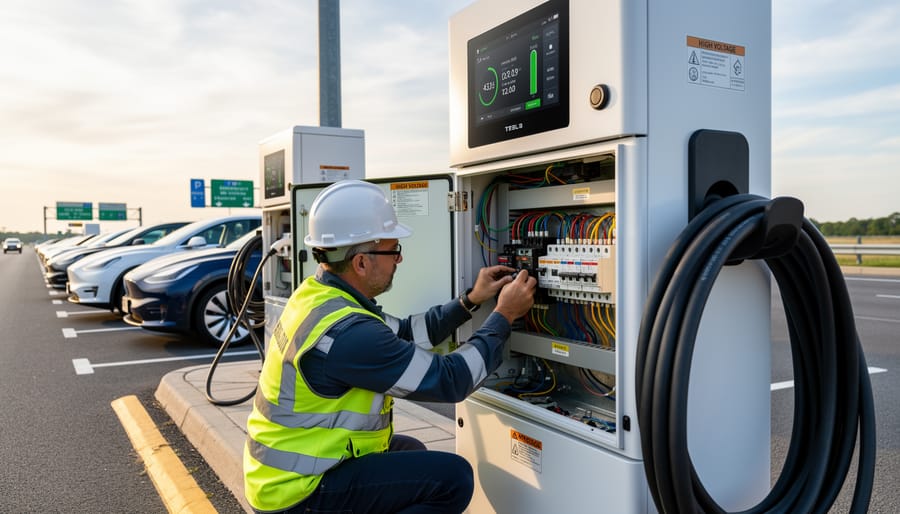
- Winning applicants secure the site, finish permitting, and work with the local utility to bring power to the location.
- Crews install the chargers, and the operator tests them and confirms they meet the program’s standards.
- The station opens to the public, and the operator takes on day-to-day maintenance and customer support.
Every step takes time, and the pace varies from state to state. Some states move quickly through planning and awards, while others work through longer reviews or wait on utility upgrades. Site-level details matter too. A location that needs a new electrical connection or a zoning approval can take longer than one with power already nearby.
For that reason, it’s best not to rely on a specific opening date you’ve heard secondhand. Official sources will have the most current picture, so look to your state’s transportation department and its NEVI planning pages for announcements about application windows, awarded projects, and construction updates. If you’re curious about a particular stretch of highway, those pages are the most dependable place to start.
Understanding this flow also makes the rest of the picture easier to follow. The same kind of coordination between private companies, utilities, and local governments shows up whenever new energy infrastructure goes in, whether it’s a highway charger or a rooftop solar system.
Key Station Requirements Drivers Can Expect
NEVI-funded stations are built to a common set of standards, so a stop along the highway should feel predictable no matter which company runs it. Here’s what drivers can generally look for.
Multiple fast-charging ports. Rather than a single plug, a NEVI site is designed to offer several DC fast-charging ports, so one occupied or broken charger doesn’t leave you stuck. Each port is meant to deliver high power, which means a meaningful top-up during a short break instead of a long wait.
Standardized connectors. Stations are expected to include the widely used combined charging system (CCS) connector, so many different EV models can plug in. Because connector standards in the industry are shifting, it’s smart to confirm that a given station supports your vehicle before you rely on it.
Reliability expectations. One of the biggest frustrations for EV drivers is arriving at a charger that doesn’t work. NEVI rules emphasize uptime, meaning stations are expected to be available and working most of the time, with operators responsible for maintenance and reporting.
Easy payment. Drivers should be able to pay without juggling multiple apps or memberships. Credit card readers and clear, upfront pricing are part of the design, so you know what a session will cost.
Placement along major routes. Sites are meant to sit along key travel corridors, spaced so drivers can move between them comfortably on a long trip.
Keep in mind that these requirements can be updated over time. Before you plan a trip or make decisions based on any specific standard, confirm the current rules through official federal and Utah state sources.
NEVI in Utah: Highway Corridors, State Planning, and Local Zoning Considerations
Utah takes part in NEVI by writing its own deployment plan, which the federal government reviews before funds are released. The state decides where to focus first, how to evaluate applicants, and which partners to bring in. Those partners often include utilities, private charging companies, and local governments. Because the plan is state-driven, priorities reflect Utah’s geography: long stretches of open highway and a few major population centers.
The key corridors are the interstates that carry traffic out of the Wasatch Front toward southern and eastern Utah. Think of the routes drivers use to reach national park country, where services can be far apart and range planning matters most. A dependable fast-charging stop along these routes can make a road trip feel far less stressful. For the current corridor designations and project status, check the state’s official NEVI planning pages rather than relying on secondhand lists, since details get updated as the program moves forward.
Even with funding in place, a charging site still has to clear local rules before anything gets built. City and county land-use codes decide whether a charging station is allowed on a given parcel. Permitting reviews, site plans, and utility coordination add more steps. Utilities in particular need to confirm that enough electrical capacity reaches the site, which can shape both location and timing.
If this sounds familiar, it should. Utah solar installers work through much the same process. A solar project depends on local land-use rules too, and checking a zoning map early helps businesses understand what’s allowed before they build. Both solar and EV charging also rely on clear Utah permits and smooth coordination with the local utility. In short, the same questions about zoning, approvals, and grid access come up whether you’re adding panels to a roof or a fast charger beside the interstate.
Because requirements vary from one city or county to the next, anyone curious about a specific location should look to local planning offices and the state’s official resources for the latest information.
How Public Fast Charging Connects to Home Solar and Utah Incentives
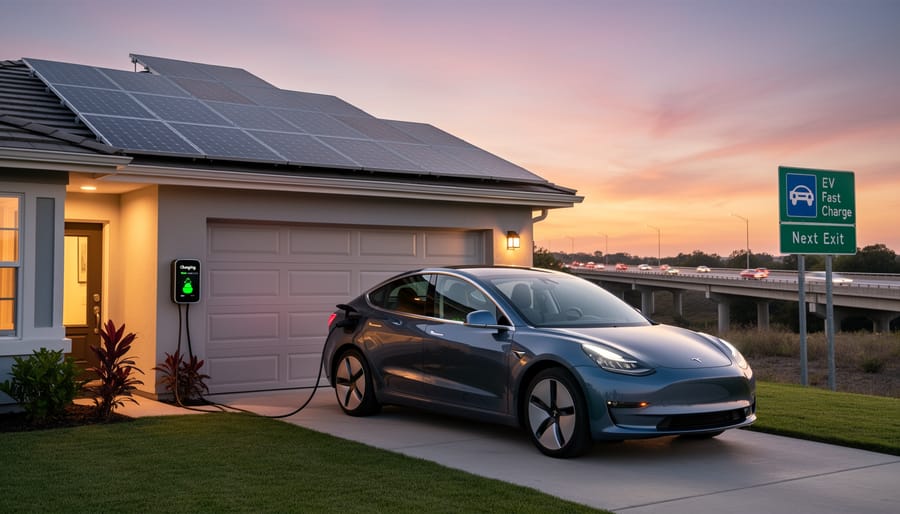
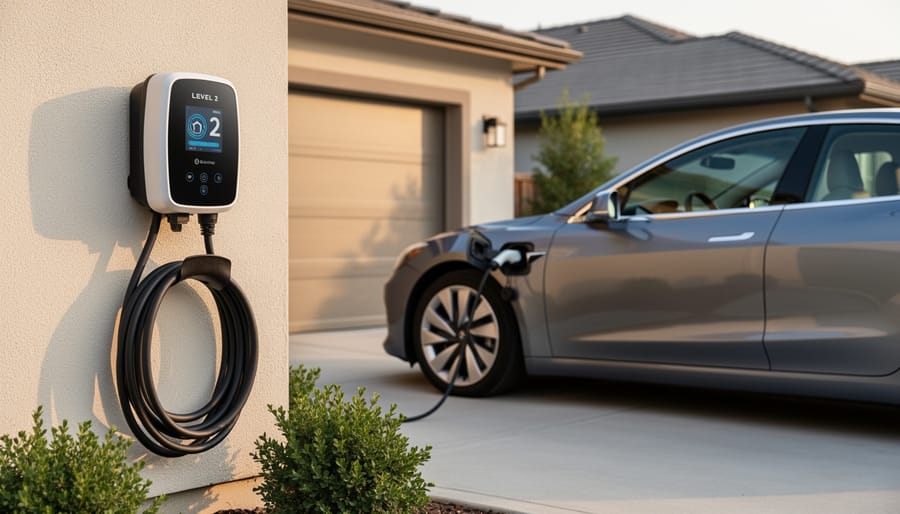
Public fast chargers built with NEVI support are designed for road trips, like a drive from the Wasatch Front down to the national parks. Most drivers, though, charge at home, where the car sits for hours overnight. That’s where rooftop solar can help, because it produces electricity you’d otherwise buy from your utility.
Here’s the basic idea. A grid-connected solar system sends power to your home first. If your panels make more than you use, the extra flows to the grid, and when the sun isn’t shining, you pull power back from the grid as usual. Plugging in your EV just adds one more load, so charging during sunny hours can use more of your own solar production. If you want to understand how that exchange with your utility works, our guide to grid connection and net metering explains it in plain language.
Before you commit to any equipment, it’s worth researching the incentives that may apply to you. Eligibility and amounts change, so always verify current rules with official sources before making decisions:
– Federal credits: Tax credits have been available for solar systems and for some home charging equipment. See our breakdown of the EV charging tax credit for what Utah residents may be able to claim.
– Utah state programs: Check with state energy offices for any current offerings.
– Utility options: Local providers sometimes offer rebates or EV-specific rate plans, which can affect when charging costs the least.
Incentives are only part of the picture, and savings vary from home to home, so nothing here is a guarantee. Looking at your financing options and learning how the solar installation process works can help you see how everything fits your household’s budget and driving habits.
Common Questions About NEVI and EV Charging
NEVI raises plenty of practical questions, especially for Utah drivers deciding how a federal program fits into their own charging plans. Here are the ones we hear most often.
Does NEVI pay for home chargers?
No. NEVI funds publicly accessible fast chargers along major travel routes, not residential equipment. If you’re weighing a home setup, check current federal, state, and utility incentives, which change over time.
Who owns and operates NEVI stations?
Typically private companies, utilities, or local partners that applied for funding through their state. The station operator, not the government, runs day-to-day service and sets pricing.
Can any EV use these stations?
Generally, yes. NEVI-funded stations are designed to be open to the public and to offer standardized connectors, though you should confirm that a specific site supports your vehicle’s charging port before you travel.
How can I find out when stations are planned near me?
Start with the Utah Department of Transportation and other official state planning resources, which publish updates on the state’s deployment plan and funding awards. Timelines vary, so check current announcements rather than relying on older dates.
Public fast charging covers road trips, but most drivers charge at home most of the time. That’s where your own numbers matter. Running your mileage and local electricity rates through an EV savings calculator can show how home charging compares with fuel costs, and how pairing it with rooftop solar might change the picture.
For anything involving current rules, funding amounts, or station locations, treat official federal and state sources as your final word. Program details get updated, and a quick check before you plan a trip or a purchase saves frustration later.
The NEVI Program is one piece of a bigger picture. It builds the highway charging network that makes long trips practical, while your day-to-day charging and energy choices happen closer to home. That’s where you have real control.
If you’re curious about next steps, start local. Check Utah’s official NEVI planning resources to see where corridor chargers are headed, and look into current federal, state, and utility incentives, since amounts and eligibility change. Then think about how your own charging habits might pair with a solar system on your roof.
You don’t need to figure it all out at once. A little research now puts you in a confident position to make smart choices about EVs, charging, and solar for your Utah home or business.