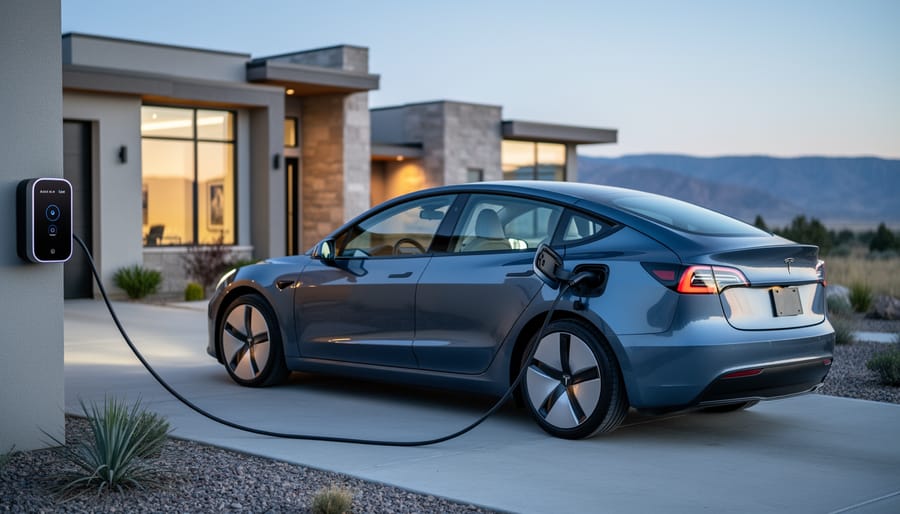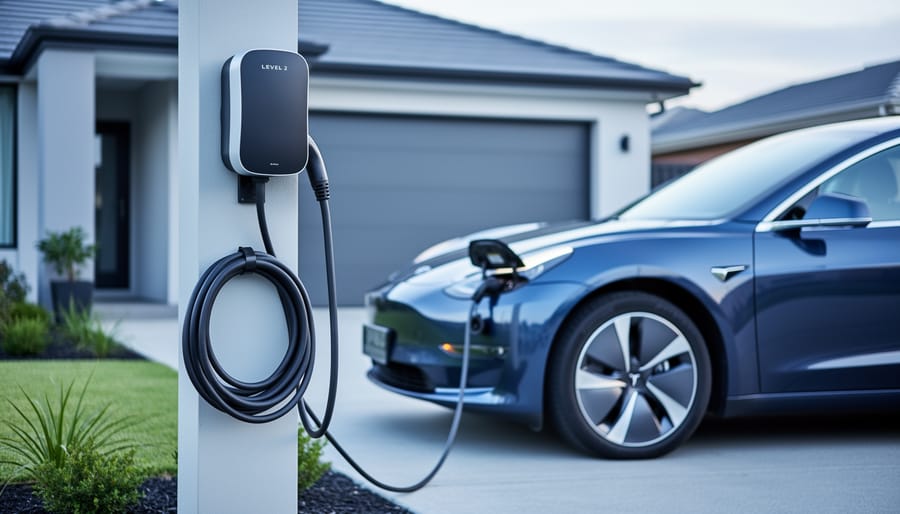
Yes, federal tax credits are available for electric vehicle charging station installations, covering both residential and commercial properties. The Alternative Fuel Vehicle Refueling Property Credit allows eligible taxpayers to claim a percentage of the cost of purchasing and installing EV charging equipment. Homeowners, businesses, and tax-exempt organizations can all potentially benefit, though credit amounts, caps, and eligibility requirements vary by taxpayer type and have changed over time through legislative updates.
Understanding how to claim this credit requires knowing which expenses qualify, where your installation takes place, and what documentation the IRS requires. The federal incentive can reduce the upfront cost of adding EV charging infrastructure to your Utah property, making electric vehicle adoption more financially accessible. For Utah residents, this federal benefit can often be combined with state and local incentives, creating a powerful financial package that significantly lowers installation costs.
The credit applies to hardware, installation labor, and related expenses necessary to make the charging station operational. Both Level 2 home chargers and commercial fast-charging stations can qualify, though the specific credit structure depends on whether you’re installing at a residence or business location. Claiming the credit requires filing IRS Form 8911 with your tax return and maintaining records of your qualified expenses, making accurate documentation essential from the start of your project.
Understanding the Federal EV Charging Station Tax Credit
The Alternative Fuel Vehicle Refueling Property Credit, codified under Internal Revenue Code Section 30C, provides federal tax incentives for installing EV charging equipment at residential and commercial properties. This credit operates separately from federal EV credits that apply to vehicle purchases, you can claim both if you buy an electric vehicle and install charging equipment in the same tax year. The charging station credit covers the cost of purchasing and installing qualified equipment, including the charger itself, electrical upgrades needed to support it, and labor expenses.
For residential installations, the credit applies to charging equipment installed at your primary or secondary residence. You must own the property where the equipment is installed, and the charger must meet specific safety and performance standards. The residential credit is calculated as a percentage of qualified costs, subject to a maximum dollar cap per installation.
Commercial applications follow different rules. Businesses installing charging stations can claim the credit for equipment placed in service at business properties or in publicly accessible locations. The commercial credit structure generally allows for higher dollar amounts than residential installations, reflecting the greater costs and capacity of commercial-grade charging equipment. Properties used for rental income may qualify under commercial rather than residential provisions, depending on how the property is classified for tax purposes.
The credit covers Level 2 chargers (240-volt systems common in homes and businesses) and DC fast chargers (primarily commercial applications). Standard 120-volt outlets don’t qualify. Equipment must be new when installed, used or refurbished chargers aren’t eligible. The installation must also meet all local electrical codes and permitting requirements, which in Utah varies by municipality and county jurisdiction.
Eligibility Requirements for Utah Homeowners
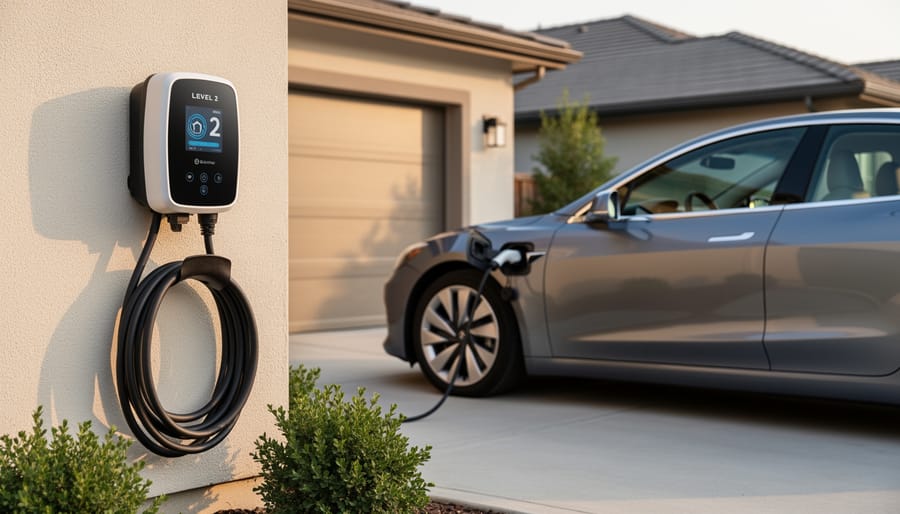
To claim the federal Alternative Fuel Vehicle Refueling Property Credit for a residential EV charging station in Utah, you must meet several baseline requirements. First, you need to own the property where the station is installed, renters typically cannot claim the credit unless they own the structure housing the equipment. The property must be located in the United States, and the charging equipment must be installed at your primary or secondary residence.
The charging station itself must be new equipment, not used or refurbished. It needs to meet specific technical standards for EV charging, though the IRS does not require pre-approval of particular models. Most Level 2 charging stations installed by qualified electricians will satisfy the equipment requirements. You’ll need to retain all purchase receipts, installation invoices, and manufacturer specifications as documentation.
Your tax liability plays a crucial role in how much benefit you can actually realize. The credit is nonrefundable, meaning it can reduce your tax liability to zero but won’t generate a refund beyond what you’ve already paid in. If your federal tax bill is lower than the available credit amount, you cannot claim the full value in a single year. Some taxpayers can carry forward unused portions to future tax years, but you should verify current carryforward rules when filing.
Utah homeowners should also confirm that their installation complies with local electrical codes and permitting requirements. Many municipalities require permits for charging station installations, and failing to secure proper permits could complicate your credit claim. Working with a licensed electrician familiar with Utah building codes ensures your installation meets both federal credit requirements and local safety standards, protecting your ability to claim the credit when you file your return.
How to Claim the Charging Station Credit
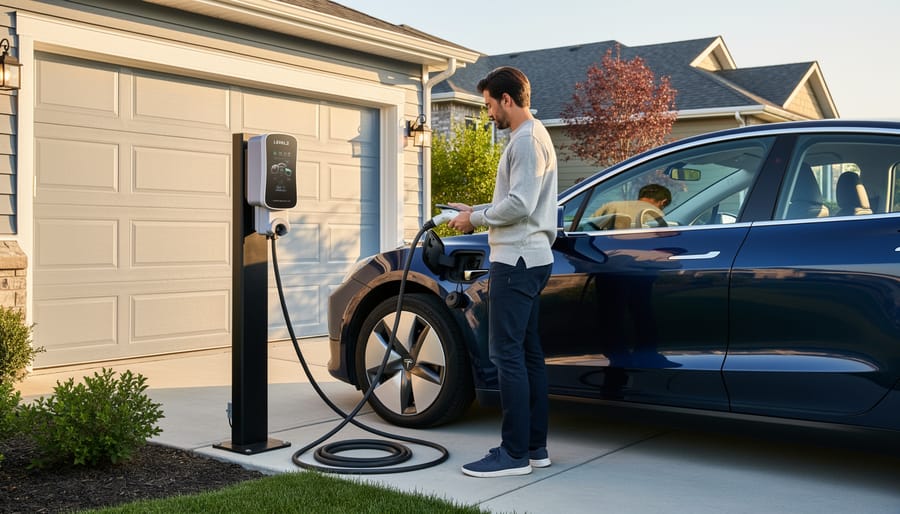
Claiming the federal charging station credit requires careful documentation and proper filing procedures. Start the process before you install your charging equipment by confirming your installer will provide an itemized receipt showing labor, equipment costs, and the installation date. Keep every document related to the purchase and installation in a dedicated file.
Here’s the step-by-step process to claim your credit:
- Obtain a detailed invoice from your installer that separately lists equipment costs, labor charges, and any electrical work. The invoice must show the installation was completed at your primary residence or qualified business property in Utah.
- Save proof of payment, including credit card statements, checks, or wire transfer confirmations that match the invoice amount and date.
- Collect manufacturer specifications and certification documents showing the charging equipment meets federal standards for qualified property under IRC Section 30C.
- Complete IRS Form 8911 (Alternative Fuel Vehicle Refueling Property Credit) when you file your federal tax return for the year the equipment was placed in service, not necessarily when you paid for it.
- Transfer the calculated credit amount from Form 8911 to the appropriate line on your Form 1040, following the year’s specific instructions since form layouts change.
- Attach all supporting documentation to your return if filing by paper, or store it securely for at least seven years if e-filing, as the IRS may request verification during an audit.
The credit applies to the tax year when your charging station becomes operational, not when you make the purchase. If you install equipment in December 2026 but it’s not functional until January 2027, you claim the credit on your 2027 return.
Before filing, run the numbers through an EV savings calculator that includes federal incentives to understand your total benefit package. Work with a tax professional familiar with energy credits if your situation involves business use, rental property, or multiple installations, since these scenarios have different qualification rules and calculation methods that affect your credit amount.
Utah-Specific Considerations and Incentives
Utah residents can combine the federal charging station credit with several state and local programs, though the landscape differs significantly from residential solar incentives. Rocky Mountain Power offers rebates for qualified EV charging equipment through its Wattsmart program, and these utility rebates do not reduce your federal tax credit, you receive both benefits separately.
Unlike solar installations, EV charging stations currently have no statewide Utah tax credit. Your benefits stack primarily through federal credits, utility rebates, and potential municipal incentives. Some Utah cities offer expedited permitting or waived fees for charging station installations as part of sustainability initiatives, so check with your local planning department before starting your project.
Permitting requirements vary considerably across Utah counties. Salt Lake County typically requires electrical permits for Level 2 home chargers, while some rural counties may have less stringent requirements for residential installations. Commercial installations face more complex zoning requirements particularly for multi-unit dwellings or public charging stations. Your electrician or Utah solar installer if you’re adding charging as part of a solar project, can usually handle permit applications.
If you’re installing both solar panels and EV charging simultaneously, coordinate the projects. The electrical work can often be combined, reducing installation costs and simplifying permitting. Many Utah homeowners find this approach efficient, as the solar system can power the charging station with clean energy while both installations qualify for their respective federal credits.
Keep documentation of all permits, utility rebate applications, and installation receipts. Utah building departments may require proof of permitted work for future home sales, and you’ll need detailed records to support your federal tax credit claim. Different jurisdictions have varying inspection requirements, so confirm local procedures early in your planning process.
Commercial and Business Applications
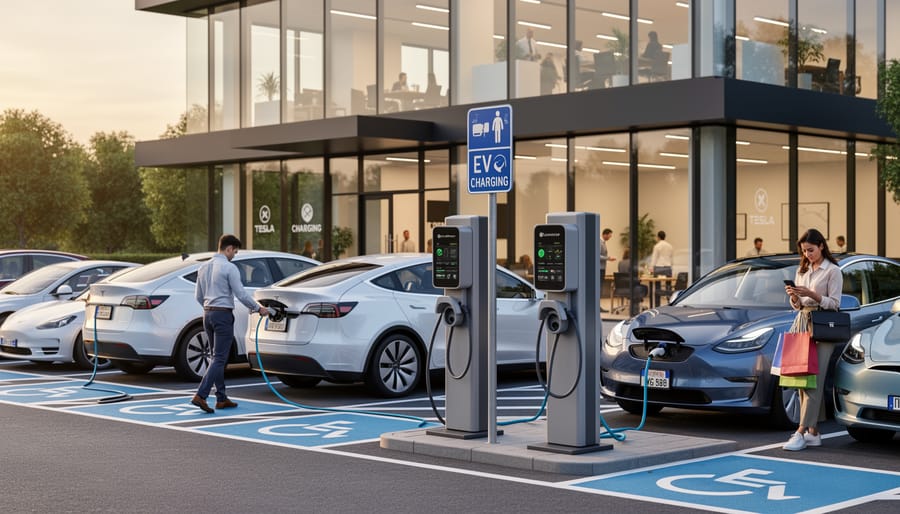
Utah businesses installing EV charging infrastructure can access federal tax incentives designed specifically for commercial applications. The credit structure differs from residential installations, with distinct qualification requirements and potential benefits that make commercial deployment financially attractive.
Commercial entities qualify when they own and operate charging equipment placed in service at business locations. The equipment must meet IRS specifications and serve a legitimate business purpose, whether customer-facing at retail locations or employee-focused at workplace parking facilities. Businesses typically see higher potential credit values compared to residential installations, though exact amounts depend on current federal tax law provisions.
Strategic considerations include timing installations to maximize tax benefit utilization, ensuring adequate tax liability to absorb credits, and coordinating with utility demand-response programs. Multi-location businesses can install multiple qualifying stations across their Utah properties within a single tax year. Credit carryforward provisions may apply if current-year tax liability doesn’t fully absorb the available credit amount.
Documentation requirements mirror residential standards but include additional business-use justifications. Maintain detailed records showing equipment costs, installation expenses, and the charging station’s business purpose. Professional tax advisors can help structure installations to optimize federal credit capture while coordinating with state-level business incentives.
The depreciation interaction deserves attention: businesses must reduce the equipment’s depreciable basis by the credit amount claimed. This affects long-term tax planning, particularly when evaluating whether to claim accelerated depreciation through Section 179 or bonus depreciation provisions.
Consulting qualified tax professionals ensures Utah business owners navigate federal credit rules accurately and position installations to capture maximum available incentives under current law.
Common Questions About EV Charging Credits
Can I claim the credit if I rent my home?
No, the federal charging station credit is only available to property owners. Renters cannot claim the credit even if they pay for and install the equipment, as the tax benefit is tied to property ownership rather than who finances the installation.
Does the credit apply to used charging equipment?
The credit applies to the cost of new equipment and installation. If you purchase a used charging station, you cannot claim the federal credit, though installation labor costs for properly certified used equipment may have different treatment, consult a tax professional for specific guidance.
Can I claim both the EV charging credit and the residential solar credit?
Yes, these are separate credits under different sections of the tax code. You can claim both if you install a charging station and a solar system, and many Utah homeowners pair these installations to power their EV with renewable energy while maximizing tax benefits.
What happens if the credit exceeds my tax liability?
Federal tax law has historically included carryforward provisions allowing unused credit amounts to roll over to future tax years, but the specific rules depend on the version of the credit in effect when you install your station. Review current IRS guidance or work with a tax professional to understand how carryforward applies to your situation.
Multi-unit dwelling situations present unique considerations. Condo owners can typically claim the credit for dedicated parking space installations, but the property ownership requirements must be clear. Homeowners associations may need to approve installations, and any shared infrastructure complicates the credit claim, only the portion you directly own and pay for qualifies.
Credit calculations become complex when bundling equipment with other home improvements. The charging station and its direct installation costs qualify, but if an electrician upgrades your entire electrical panel as part of the work, only the portion attributable to the charging station installation counts toward the credit. Keep itemized invoices separating charging-specific costs from general electrical work.
Utah residents combining state and local incentives should track each program’s requirements separately. The federal credit operates independently from Rocky Mountain Power rebates or municipal programs, but proper documentation for one often serves the others. Each program may define eligible equipment or installation standards differently, so verify compliance with all applicable requirements before beginning work.
The federal charging station tax credit represents a meaningful opportunity for Utah residents to reduce the upfront cost of home EV charging infrastructure. Whether you’re already driving an electric vehicle or planning to make the switch, understanding how this federal incentive works, and how it stacks with state and local programs, can make your charging setup significantly more affordable.
Tax credits evolve. Congress can extend, modify, or let incentives expire, and the IRS occasionally clarifies eligibility rules or documentation requirements. Before you purchase and install equipment, confirm the current status of the charging station credit with your tax advisor or by checking IRS guidance directly. A qualified tax professional can also help you determine whether you have sufficient tax liability to claim the full credit, whether carryforward provisions apply to your situation, and how to coordinate federal incentives with any Utah-specific rebates or utility programs you’re using.
Stay informed about federal tax law changes, keep detailed records of your installation costs and equipment specifications, and don’t hesitate to ask questions before you commit to a purchase. The credit is designed to encourage EV adoption, but claiming it correctly requires attention to eligibility criteria and proper documentation.