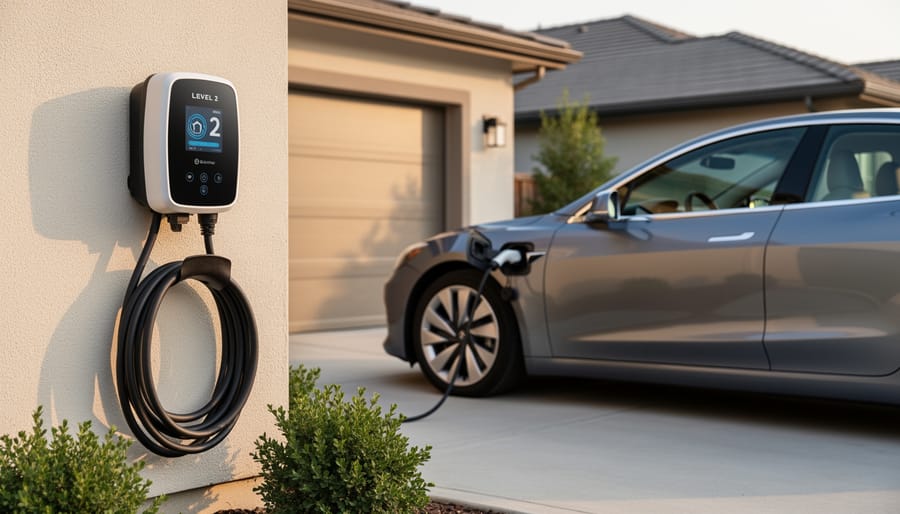
Federal EV tax credits ended on September 30, 2025, but understanding the income limits that governed these incentives remains important for Utah residents who secured binding purchase contracts before that cutoff date. Single filers and those married filing separately faced a $75,000 adjusted gross income cap, head of household filers could earn up to $225,000, and married couples filing jointly qualified with incomes up to $300,000.
If you locked in a vehicle purchase agreement by the September 30, 2025 deadline, transitional IRS rules may still allow you to claim up to $7,500 for eligible new electric vehicles or $4,000 for qualifying used EVs. Used vehicles needed to be at least two years old, dealer-purchased, and priced at $25,000 or less.
For Utah homeowners looking ahead, the clean energy incentive landscape has shifted toward residential solar installations, which continue to offer compelling federal tax benefits without the same sunset restrictions that affected vehicle credits. Understanding how income thresholds work across federal clean energy programs helps you plan strategic investments that maximize available savings while reducing your carbon footprint and energy costs in a state where abundant sunshine makes solar particularly effective.
Understanding the Federal EV Tax Credit Income Thresholds

The federal EV tax credit established three distinct income thresholds tied to your filing status, designed to target the credit toward middle-income buyers rather than high earners. Here’s how the limits work and what they mean for your eligibility.
If you file as single or married filing separately, your adjusted gross income must fall at or below $75,000 to qualify for the credit. Head of household filers face a higher threshold of $225,000, while married couples filing jointly can earn up to $300,000 and still remain eligible. These caps apply to your modified adjusted gross income, which is the figure from line 11 of your Form 1040 with certain deductions added back in.
| Filing Status | Income Limit | Maximum Credit (New EV) |
|---|---|---|
| Single / Married Filing Separately | $75,000 | $7,500 |
| Head of Household | $225,000 | $7,500 |
| Married Filing Jointly | $300,000 | $7,500 |
Congress set these limits to ensure the credits supported buyers who needed the most financial assistance to make the switch to electric vehicles. The policy aimed to make EVs accessible to working families rather than subsidizing luxury purchases by high-income households. The income check occurs at the time of purchase, meaning your AGI for either the year you buy the vehicle or the prior year determines your eligibility, whichever is lower.
Understanding these thresholds is crucial before you commit to a purchase. If you’re close to the limit, running the numbers with an EV savings calculator can help you determine whether the credit makes financial sense or whether other clean energy investments might offer better returns for your household. The income caps are firm cutoffs with no phase-out range, so exceeding the limit by even one dollar disqualifies you completely.
Current Status: When the Federal EV Tax Credits Ended
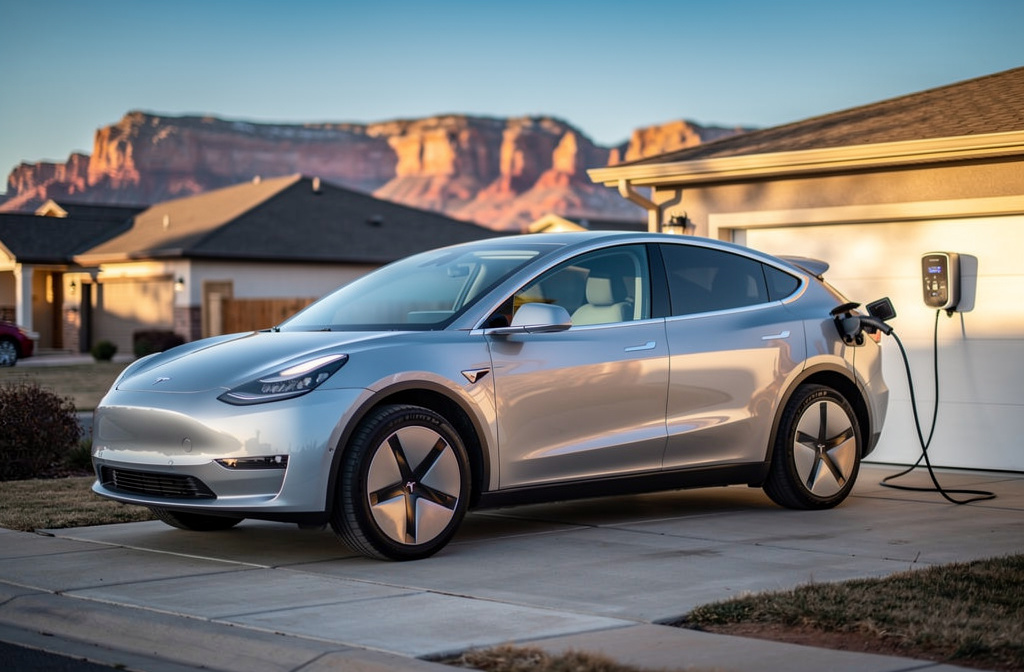
The federal clean vehicle tax credit program ended on September 30, 2025. This deadline applies nationwide, meaning Utah residents can no longer claim the credit for EV purchases made after that date, regardless of their income level or the vehicle type.
However, there’s an important exception. If you signed a binding purchase contract for an eligible electric vehicle by September 30, 2025, you may still qualify for the credit even if you take delivery of the vehicle later. A binding contract means both you and the seller signed an agreement that includes the vehicle price and purchase terms, and it includes a penalty if either party backs out.
To determine if you still qualify under this transitional rule, you’ll need documentation proving the contract date. Keep your signed purchase agreement, any related correspondence with timestamps, and records showing the vehicle’s delivery date. The contract must have been finalized and legally enforceable by the September 30 deadline, not just a reservation or preliminary agreement.
Your income still needs to meet the federal thresholds we discussed earlier, and the vehicle itself must satisfy all the program requirements. The credit amount depends on whether you purchased a new EV (up to $7,500) or a qualifying used EV (up to $4,000).
If you don’t have a qualifying contract from before the deadline, you won’t be eligible for the federal EV credit. For Utah residents wondering what to do now that these credits have ended, exploring other clean energy incentives, particularly for solar installations, can still help reduce your energy costs and environmental footprint.
How the Credit Amounts and Vehicle Requirements Worked
The federal EV tax credit program operated on a two-tier structure, with different amounts and requirements depending on whether you purchased a new or used electric vehicle. Understanding how these credit amounts worked alongside the income limits helped Utah residents determine their total eligibility.
For new electric vehicles, the credit provided up to $7,500. This maximum amount applied to qualifying new EVs that met specific battery capacity and assembly requirements. The vehicle had to be manufactured by a qualified maker and assembled in North America, with battery components meeting domestic sourcing standards. Beyond these vehicle-specific criteria, your income had to fall within the applicable threshold for your filing status, $75,000 for single filers, $225,000 for head of household, or $300,000 for married couples filing jointly.
Used electric vehicles qualified for a smaller credit of up to $4,000. The requirements for used EVs were more restrictive across several dimensions. The vehicle had to be at least two years old, meaning the model year had to be at least two years earlier than the calendar year of purchase. You could only claim the credit if you purchased from a licensed dealer, not through a private sale. The sale price couldn’t exceed $25,000, creating a practical ceiling that excluded many newer or higher-end used EVs. The same income limits applied to used vehicle purchases as to new ones.
Both credits required that you hadn’t already claimed an EV credit within the previous three years, preventing buyers from stacking multiple credits in quick succession. The interplay between vehicle requirements and income limits meant that meeting one set of criteria didn’t guarantee eligibility, you needed to satisfy both simultaneously. A qualifying vehicle paired with income above your filing status threshold meant no credit, just as staying within income limits but purchasing an ineligible vehicle wouldn’t trigger the benefit.
What Utah Residents Should Know About Clean Energy Incentives
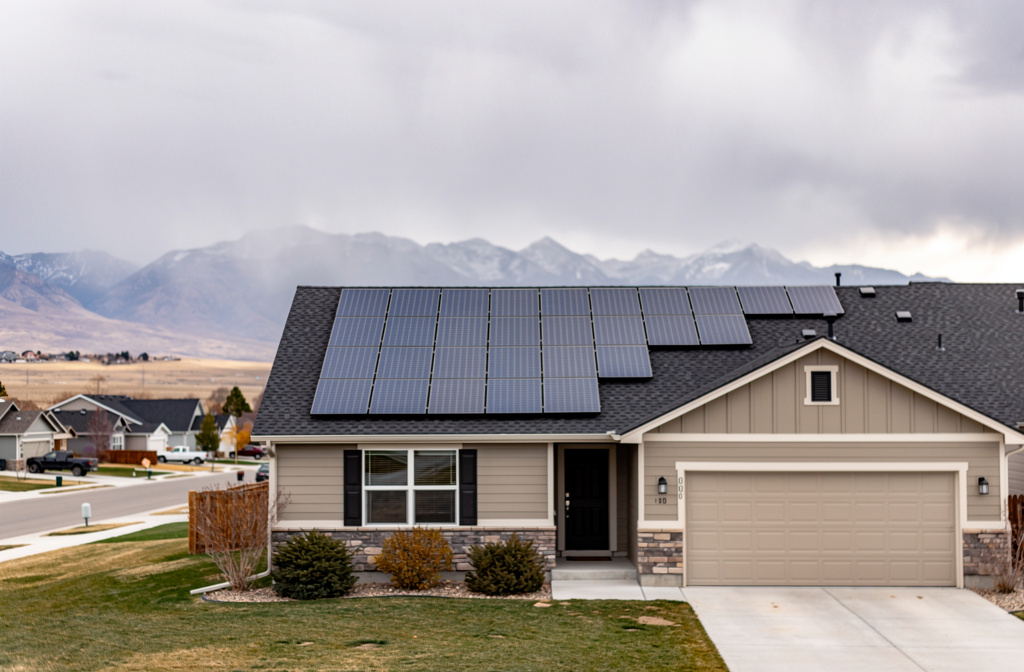
With the federal EV tax credit program concluded as of September 30, 2025, Utah residents exploring clean energy options still have robust incentives available, particularly through solar installations. The federal solar Investment Tax Credit remains active, offering 30% back on solar system costs through 2032, with no income limits restricting eligibility. This makes solar accessible to a much broader range of Utah homeowners compared to the income-capped structure that governed EV credits.
Utah’s residential solar landscape benefits from both federal and state-level support. The state offers property tax exemptions for solar installations, meaning the added value of your solar system won’t increase your property taxes. Combined with the federal tax credit, these incentives can reduce the net cost of going solar by thousands of dollars. For Utah homeowners who previously considered an EV purchase primarily for tax savings, redirecting that budget toward a solar installation often delivers greater long-term savings through reduced electricity bills.
The timing makes sense for many households. Utah receives abundant sunshine year-round, making solar panels highly productive. A typical residential system can offset 70-100% of a home’s electricity usage, and with net metering policies in place through Rocky Mountain Power, excess generation credits back to your account. Those interested in EV incentive alternatives should evaluate solar as a proven path to reducing energy costs without income restrictions.
Local installers familiar with Utah building codes, zoning requirements, and utility interconnection processes can provide customized assessments. While federal EV credits have sunset, the clean energy transition continues through solar adoption, offering Utah residents a reliable, incentivized way to cut energy expenses and reduce environmental impact.
Finding Official Guidance and Resources
The IRS provides authoritative information on federal EV tax credits through its official website and Publication 17. Look for Form 8936 (Clean Vehicle Credit) and its instructions, which detail the income limits and transitional rules for contracts signed before September 30, 2025. The IRS website includes eligibility calculators and frequently updated guidance reflecting any changes to the program.
For Utah-specific questions about how these federal rules interact with state incentives, consult a tax professional familiar with clean energy credits. They can verify whether you qualify under the transitional rules and help document your eligibility properly. A qualified tax advisor can also explain how the federal EV charging credit might still apply to your situation, even though the vehicle purchase credits have ended.
Utah’s Department of Environmental Quality occasionally updates information about state-level clean energy programs, so check their website periodically. The Department of Energy’s Alternative Fuels Data Center maintains a database of federal and state incentives, useful for tracking any new programs that might emerge to replace the expired federal EV credits.
Since the landscape of energy incentives shifts, bookmark these official sources and review them annually. While federal vehicle credits have ended, other clean energy incentives, including solar tax credits and utility rebates, continue to evolve. Staying informed ensures you don’t miss opportunities to reduce your energy costs through available programs.
Frequently Asked Questions About EV Tax Credit Income Limits
How is adjusted gross income calculated for EV tax credit eligibility?
Your adjusted gross income (AGI) is the figure found on Line 11 of IRS Form 1040. It includes wages, self-employment income, interest, dividends, and other income sources minus specific deductions like student loan interest and retirement contributions, but before taking the standard or itemized deduction.
What happens if my income exceeds the limit by just a few hundred dollars?
If your income exceeds the threshold for your filing status, even by a small amount, you won’t qualify for the credit. There’s no partial credit or sliding scale; it’s a hard cutoff at $75,000 for single filers, $225,000 for heads of household, and $300,000 for married couples filing jointly.
Can I average my income from multiple years to meet the requirements?
No, the income limit applies to the tax year when you take delivery of the vehicle. You can’t average income across multiple years or use a lower-income year to qualify if your current year exceeds the threshold.
What documentation do I need if I signed a binding contract before September 30, 2025?
You’ll need proof of your binding purchase contract dated on or before September 30, 2025, along with documentation showing when you took delivery of the vehicle. Keep copies of the purchase agreement, delivery receipts, and any dealer correspondence that establishes the timeline.
How do EV tax credit income limits compare to solar tax credit requirements?
The federal solar Investment Tax Credit has no income restrictions, making it more accessible to high-earning households. While the EV credit had strict income caps, solar incentives remain available to Utah homeowners regardless of income level, offering a continuing path to clean energy savings.
Beyond these common questions, it’s worth noting that the transitional rules only apply if you met all other eligibility requirements at the time of your contract. The vehicle still needed to meet price caps, battery requirements, and assembly rules even if you locked in before the program ended. If you’re uncertain whether you qualify under the transitional provisions, consult with a tax professional who can review your specific situation and documentation before filing.
Federal EV tax credits required income below specific thresholds to qualify: $75,000 for single filers and those married filing separately, $225,000 for heads of household, and $300,000 for married couples filing jointly. These credits ended on September 30, 2025, though transitional rules allow buyers with binding contracts signed by that deadline to claim them. If you missed this window, you haven’t lost your opportunity to invest in clean energy and reduce your costs.
Utah homeowners have robust alternatives that remain fully available. The federal solar Investment Tax Credit continues to offer substantial savings on residential installations, with no income cap restricting eligibility. Combined with Utah’s net metering policies and local utility incentives, solar represents a practical path to lower energy bills and environmental impact. Whether you were counting on an EV credit or simply want to reduce your carbon footprint, exploring solar options keeps you moving toward energy independence. The shift from federal EV credits doesn’t close the door on clean energy adoption in Utah, it redirects attention to the opportunities that remain strong and accessible right now.